Cabo San Lucas is a world-famous destination for sport fishing, attracting anglers from across the globe to its rich offshore waters. One of the most exciting challenges in Cabo fishing is landing a marlin. Among the three primary species—blue, black, and striped—understanding what is the difference between blue, black, and striped marlin? is essential for preparing tackle, choosing the right techniques, and having the most successful fishing experience possible.
Whether you are a first-time angler or a seasoned pro, knowing the differences between these species can make your Cabo fishing trip unforgettable. Working with professional guides from Fishing Cabo San Lucas ensures you have the right equipment, knowledge, and support to target each type of marlin safely and effectively.
Cabo Fishing: Blue Marlin Characteristics and Fishing Techniques
Blue marlin are the giants of the Cabo fishing scene. These fish are known for their incredible size, strength, and acrobatic jumps.
- Appearance: Deep blue on top with a silvery belly and elongated bill
- Size: Often exceeds 1,000 pounds, making them the largest marlin species
- Behavior: Typically found near temperature breaks, floating debris, or offshore structures
Understanding what is the difference between blue, black, and striped marlin? starts with learning about blue marlin. Anglers often use heavy trolling techniques with large lures and dredges. With the expertise of Fishing Cabo San Lucas, you can be positioned in the best Cabo fishing spots for these giants.
Cabo Fish: Black Marlin Insights
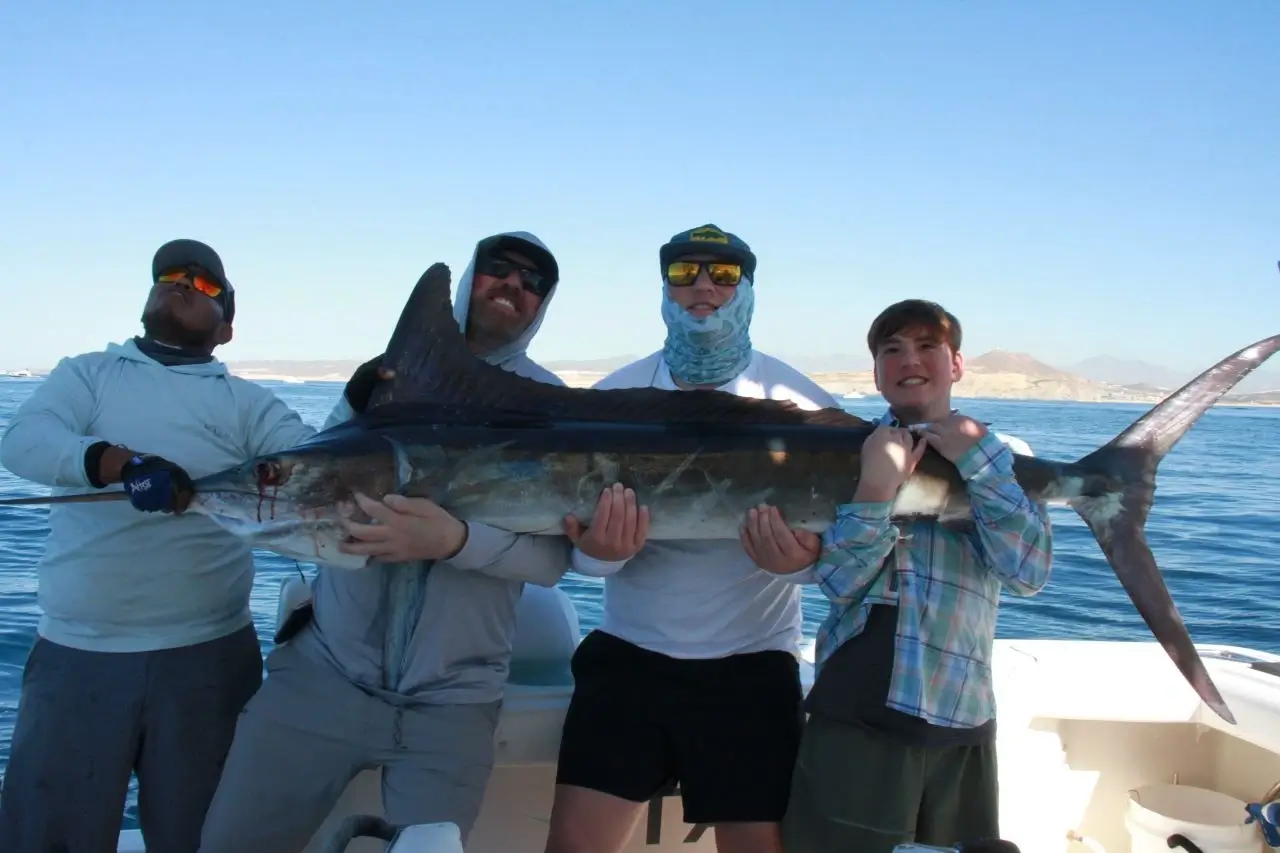
Black marlin are rarer than blue or striped marlin but are highly prized for their power and size. Cabo fishing for black marlin requires specialized techniques and experience.
- Appearance: Dark metallic blue to black on top, strong muscular body
- Size: Can exceed 1,500 pounds, making them one of the largest marlin species
- Behavior: Prefers deep offshore waters, often near pinnacles and strong currents
Black marlin demand heavier tackle and live bait. Recognizing what is the difference between blue, black, and striped marlin? allows anglers to prepare properly for these challenges during their Cabo fishing trip. Fishing Cabo San Lucas ensures anglers are equipped with the best gear and guidance to maximize success.
Cabo Fish: Striped Marlin Overview
Striped marlin are smaller than blue or black marlin but are extremely agile, making them perfect for sport fishing enthusiasts.
- Appearance: Silvery body with vertical stripes; smaller than the other marlin species
- Size: Typically 200–400 pounds
- Behavior: Surface feeders, chasing sardines, mackerel, and flying fish
In Cabo fishing, striped marlin are often caught during morning or afternoon trips. Knowing what is the difference between blue, black, and striped marlin? helps anglers choose the right tackle, lures, and approach.
Cabo Fishing: Comparing Blue, Black, and Striped Marlin Habits
Each marlin species in Cabo has distinct behavior:
- Blue Marlin: Strong fighters, prefer warm water, often near offshore banks
- Black Marlin: Aggressive and heavy, deep-water hunters
- Striped Marlin: Agile, surface-oriented, often schooling near baitfish
Understanding these differences is crucial for Cabo fishing success and helps answer what is the difference between blue, black, and striped marlin? effectively.
Cabo Fish: Seasonal Fishing Patterns for Marlin
The activity of each marlin species changes with the seasons:
- Blue Marlin: Peak from June through October
- Black Marlin: Best from July through September
- Striped Marlin: October through December
Seasonal awareness allows anglers to plan trips during peak Cabo fishing times and maximize the likelihood of landing their target marlin.
Cabo Fishing Hotspots for Blue, Black, and Striped Marlin
Choosing the right location in Cabo is vital:
- Gordo Bank: Productive for striped and blue marlin, dorado, and tuna
- 1150 Fathom Spot: Deep offshore waters ideal for blue and black marlin
- Nearshore Reefs: Opportunities for striped marlin and other sportfish
With professional guidance from Fishing Cabo San Lucas, anglers are placed in areas most likely to yield strikes, addressing the question what is the difference between blue, black, and striped marlin? in practice.
Cabo Fish: Morning vs. Afternoon Fishing Strategies
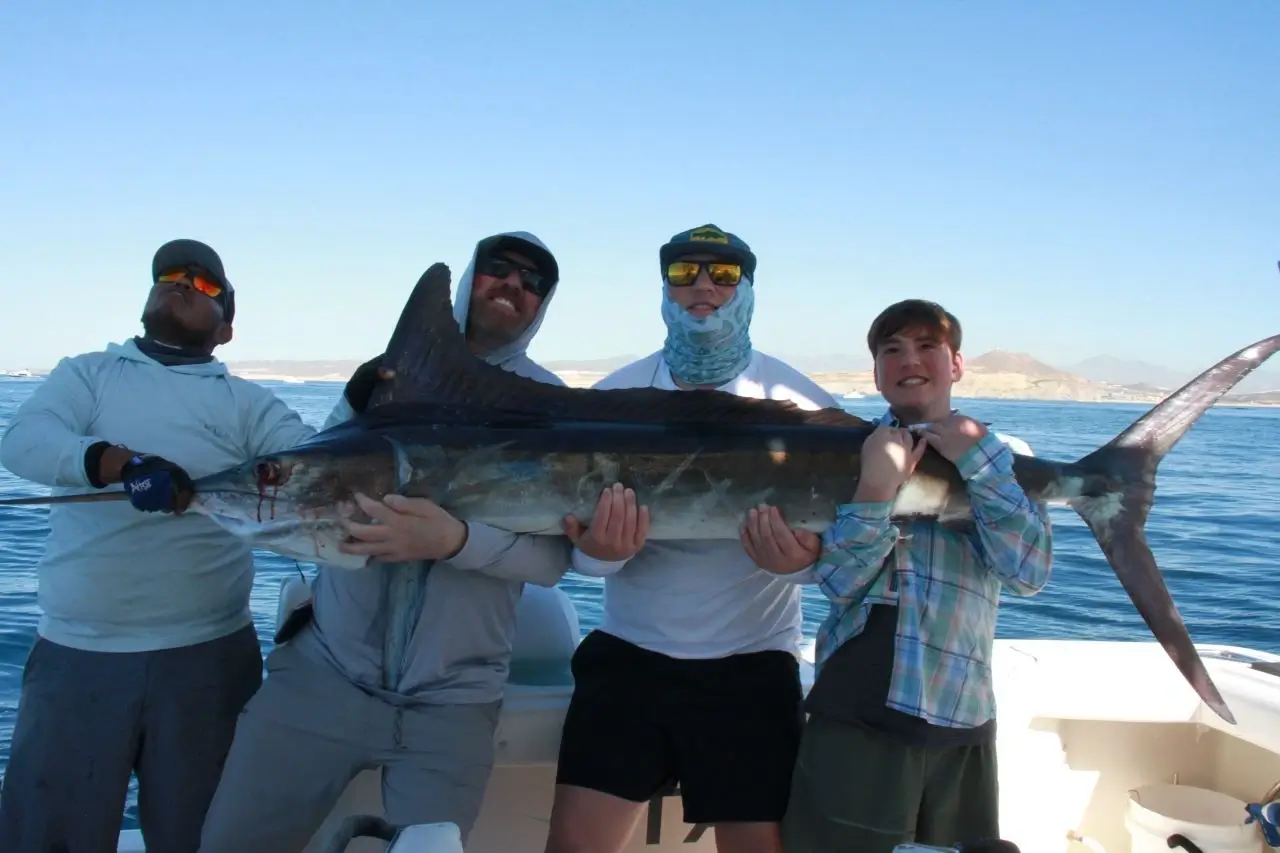
Timing your Cabo fishing trip can influence which marlin species are most active:
- Morning Fishing in Cabo: Typically calmer seas; ideal for striped marlin
- Afternoon Fishing in Cabo: Warmer surface waters; blue marlin and dorado more active
Knowing what is the difference between blue, black, and striped marlin? includes understanding peak activity periods for each species, improving overall success on the water.
Cabo Fishing Gear and Tackle Tips
Targeting marlin requires the right gear:
- Heavy-duty rods and reels for blue and black marlin
- Trolling equipment with ballyhoo or artificial lures for striped marlin
- Teasers and dredges to attract the largest fish
Fishing Cabo San Lucas provides all essential equipment for Cabo fishing trips, ensuring anglers can focus on landing these magnificent marlin.
Cabo Fish: Safety and Comfort on the Water
Big-game fishing requires physical endurance, making safety and comfort essential:
- Life jackets and first aid kits onboard
- Shaded areas, hydration, and snacks available
- Experienced, English-speaking crew trained in emergency procedures
Booking with Fishing Cabo San Lucas guarantees a safe and comfortable Cabo fishing experience.
Cabo Fishing Tips for Maximum Success
- Reserve charters in advance during peak seasons
- Dress for sun protection: hats, polarized sunglasses, sunscreen
- Stay hydrated and pack light snacks
- Follow captain guidance on trolling, bait, and positioning
- Allocate a full day for both morning and afternoon Cabo fishing
These steps help anglers fully understand what is the difference between blue, black, and striped marlin? and ensure a productive day on the water.
Cabo Fish: Targeting Secondary Species
Many Cabo fishing trips targeting marlin also include other sportfish:
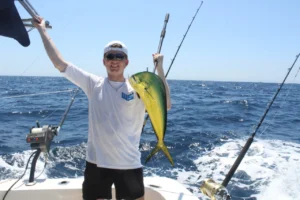
- Dorado (Mahi-Mahi): Aggressive surface feeders, May through September
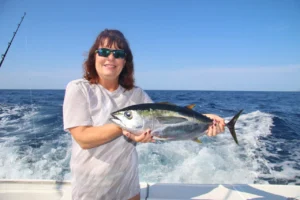
- Yellowfin Tuna: Often near offshore banks, May through October
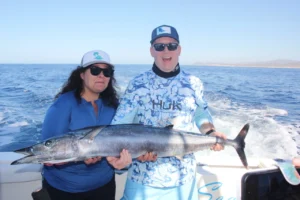
- Wahoo: Explosive fighters, July through November
This variety enhances the overall Cabo fishing experience and provides more action for anglers.
Booking Your Cabo Fishing Adventure
To schedule your next marlin fishing trip:
 Website: www.fishingcabosanlucas.com
 Phone: +1.604.819.8853
Booking with Fishing Cabo San Lucas ensures your Cabo fishing trip is timed for peak marlin activity, safety, and an unforgettable adventure.