For many anglers traveling to Cabo San Lucas, the excitement of hooking a powerful marlin is a lifelong dream. These fish are fast, intelligent, and iconic—symbols of offshore sportfishing at its highest level. But as fishing has evolved, so has the responsibility that comes with targeting such remarkable species.
That leads to an important and increasingly common question: Do the best Cabo fishing charter options include catch-and-release policies? The answer is not only yes, but that commitment to ethical fishing is one of the defining characteristics that separates top-tier charters from average operations.
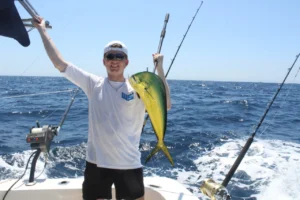
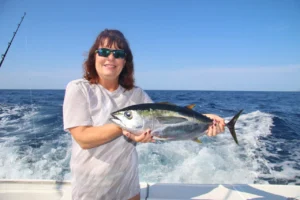
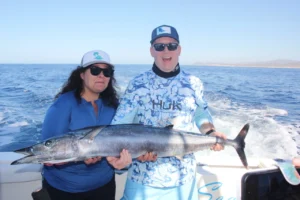
At Fishing Cabo San Lucas, catch-and-release is strongly promoted for marlin, while edible species such as tuna, dorado, wahoo, grouper, and snapper are responsibly retained for consumption. This balanced approach protects the fishery while still honoring the traditions and enjoyment of fishing in Cabo San Lucas.
This article explains how catch-and-release works in real life—not theory—why it matters, how marlin are properly revived and released, and why ethical practices are a clear indicator that you’ve chosen the best Cabo fishing charter.
The Evolution of Cabo Fishing and Responsible Practices
Cabo San Lucas has been a world-class fishing destination for decades. In earlier years, nearly all large gamefish were kept. As knowledge, science, and conservation awareness grew, the fishing community began to understand the long-term value of protecting apex predators like marlin.
Today, the best Cabo fishing charter operations recognize that sustainability is not a marketing trend—it is essential to preserving the fishery for future generations. Catch-and-release policies are no longer optional for reputable charters; they are a professional standard.
Fishing with Fishing Cabo San Lucas reflects this modern, responsible approach while still allowing guests to enjoy fresh, high-quality table fare from species intended for harvest.
Why Catch-and-Release Is Essential for Marlin in Cabo Fishing
Marlin are not just another fish. They are slow-growing, highly migratory apex predators that play a critical role in the marine ecosystem. Removing too many marlin from the water can disrupt bait populations, predator balance, and the overall health of the fishery.
The best Cabo fishing charter operators understand that releasing marlin:
- Preserves breeding populations
- Supports long-term fishing quality
- Maintains Cabo’s global reputation
- Aligns with international sportfishing ethics
This is why marlin are treated differently than species such as dorado or tuna, which reproduce quickly and are considered excellent eating fish.
Cabo Fishing Ethics: Release the Trophy, Keep the Table Fish
A common misconception among first-time visitors is that catch-and-release means no fish go home. In reality, the best Cabo fishing charter follows a balanced philosophy.
- Marlin are released after photos
- Edible species are retained, including:
- Tuna
- Dorado
- Wahoo
- Grouper
- Snapper
This approach respects both conservation and culinary enjoyment. Guests experience the thrill of fighting a marlin while still enjoying fresh fish meals after the trip.
Cabo Fishing Catch-and-Release Is a Process, Not a Photo
Releasing a marlin responsibly requires far more than simply cutting the line. The best Cabo fishing charter crews follow a deliberate, careful process designed to maximize survival.
This process includes:
- Minimizing fight time
- Keeping the fish in the water when possible
- Supporting the bill and body properly
- Aerating the fish to restore oxygen flow
- Releasing only when the fish is strong and responsive
These steps are standard practice for experienced Cabo fishing crews and reflect true professionalism—not performative conservation.
Aerating Marlin: Restoring Strength Before Release
One of the most important steps in catch-and-release is aeration. After a long fight, marlin can become exhausted and oxygen-deprived. Releasing them too quickly can lead to delayed mortality.
At Fishing Cabo San Lucas, crews take the time to:
- Position the boat to move water through the gills
- Hold the fish upright and stable
- Wait for strong tail kicks and clear signs of recovery
Only once the marlin regains strength is it released. This extra time and care significantly improves survival rates and reflects a genuine commitment to conservation.
Cabo Fishing Photos Without Compromising the Fish
Photos are an important part of the experience—but they should never come at the expense of the fish’s health.
The best Cabo fishing charter crews:
- Limit photo time
- Keep marlin in the water whenever possible
- Avoid dragging fish onto decks
- Communicate clearly with guests
This allows anglers to capture memories responsibly while still prioritizing the fish’s well-being.
Cabo Fishing Crew Training Makes the Difference
Not all crews are equally trained in catch-and-release techniques. Average charters may release fish, but without proper handling, the effort can be ineffective.
Crews fishing with Fishing Cabo San Lucas understand:
- Species-specific handling
- Proper leader management
- Hook removal techniques
- When not to remove a hook
- How to read fish behavior during recovery
This knowledge comes from experience, not instruction manuals.
Cabo Fishing and Guest Education Onboard
Another sign you’ve booked the best Cabo fishing charter is when the crew explains why they do what they do.
Guests are often surprised—and appreciative—when crews explain:
- Why marlin are released
- How aeration works
- Why certain species are kept
- How fishing today protects tomorrow’s opportunities
Education builds respect for the fishery and enhances the overall experience.
Cabo Fishing Regulations vs Professional Standards
While local regulations play a role, the best Cabo fishing charter standards often exceed minimum requirements.
Responsible charters don’t ask:
“What’s the minimum we can do?”
They ask:
“What’s the right thing to do?”
This mindset is what separates elite operators from volume-based outfits.
Cabo Fishing for Families and Teaching the Next Generation
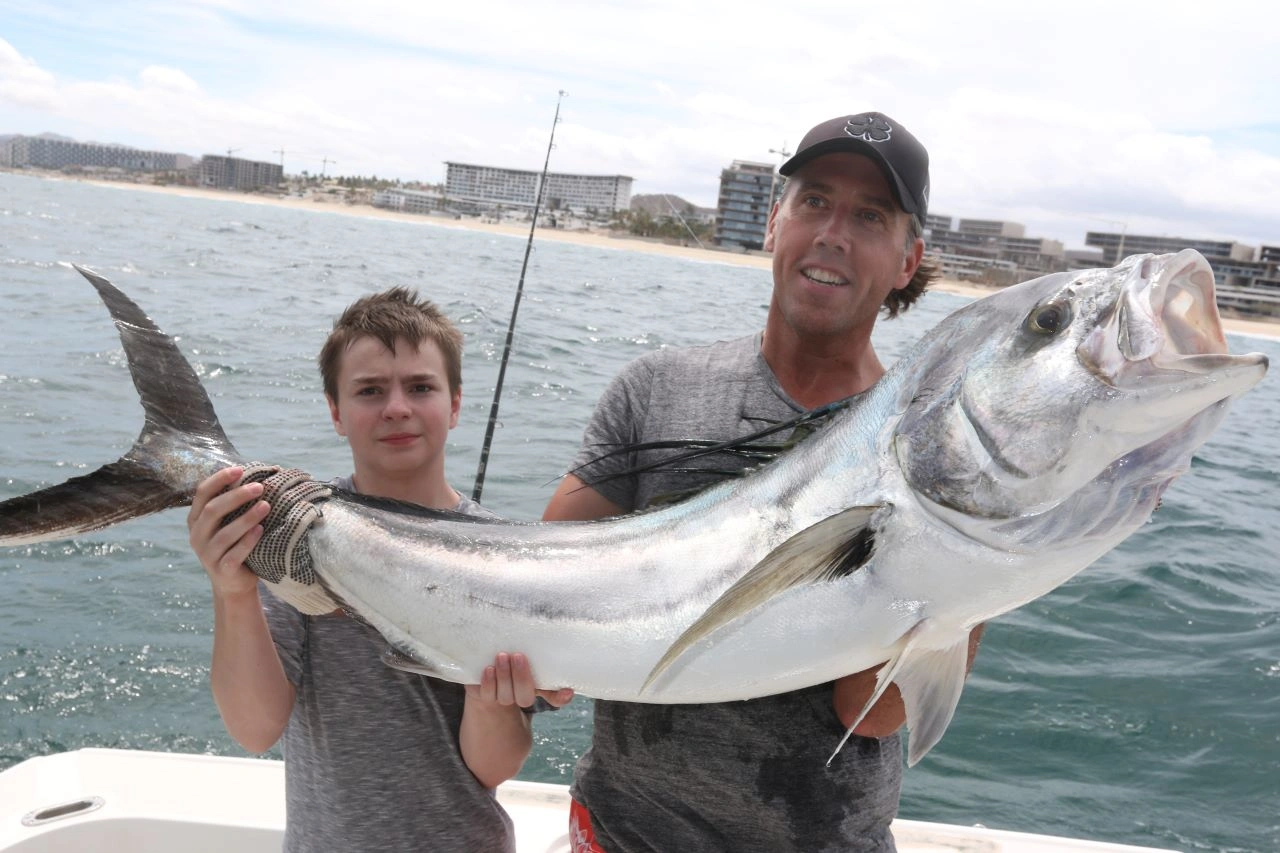
Catch-and-release is especially meaningful for families fishing with children. Seeing a marlin revived and swim away is often more impactful than keeping the fish.
Kids learn:
- Respect for wildlife
- The value of conservation
- That fishing is about experience, not just harvest
Many families fishing with Fishing Cabo San Lucas describe these moments as the highlight of their trip.
Cabo Fishing and Long-Term Sustainability
Cabo San Lucas didn’t become a world-class fishing destination by accident. It stayed that way because responsible operators chose sustainability over short-term gain.
By releasing marlin and protecting breeding populations, the best Cabo fishing charter companies ensure:
- Consistent fishing quality year after year
- Healthier ecosystems
- Better opportunities for future anglers
This long-term thinking benefits everyone.
Cabo Fishing Compared to Average Charter Practices
Average charters may say they support catch-and-release, but actions matter more than words.
Warning signs include:
- Rushed releases
- Poor fish handling
- Dragging fish onboard unnecessarily
- Lack of aeration
- No explanation to guests
In contrast, the best Cabo fishing charter treats release as an essential part of the day, not an inconvenience.
Cabo Fishing and the Angler’s Legacy
Many experienced anglers say releasing a marlin feels more rewarding than keeping one. Knowing that the fish swam away strong—and may be caught again—adds meaning to the experience.
Fishing becomes about:
- Skill
- Respect
- Stewardship
- Legacy
This philosophy is deeply embedded in how Fishing Cabo San Lucas approaches marlin fishing.
Cabo Fishing Retained Species: Respectful Harvest
Keeping edible fish is done with equal respect. Tuna, dorado, wahoo, grouper, and snapper are handled cleanly and efficiently, ensuring:
- High-quality meat
- Minimal waste
- Ethical harvest
This balanced approach reflects true fishing culture—not extremes in either direction.
Cabo Fishing Client Expectations and Transparency
Another indicator of a top-tier charter is clarity before the trip.
Guests fishing with Fishing Cabo San Lucas know in advance:
- Which species are released
- Which may be kept
- Why those policies exist
This transparency avoids confusion and aligns expectations from the start.
Cabo Fishing and Global Sportfishing Standards
Cabo San Lucas is part of the global sportfishing community. Practices here influence perceptions worldwide.
The best Cabo fishing charter operations align with international catch-and-release standards, ensuring Cabo remains respected on the world stage.
Cabo Fishing Final Answer: Do the Best Charters Include Catch-and-Release?
Yes—and they don’t just include it, they embrace it.
The best Cabo fishing charter options:
- Promote marlin catch-and-release
- Retain appropriate edible species
- Use proper revival and aeration techniques
- Educate guests respectfully
- Balance enjoyment with responsibility
Fishing with Fishing Cabo San Lucas means participating in a tradition that values both unforgettable experiences and the future of the fishery.
Final Thoughts on Cabo Fishing and Responsible Sport
Catching a marlin is unforgettable. Watching it recover and swim away is something else entirely.
That moment—when the fish disappears back into the blue—is when anglers truly understand what makes the best Cabo fishing charter different from an average one.
It’s not just about what you catch.
It’s about how you fish.
And it’s about leaving Cabo San Lucas better than you found it.