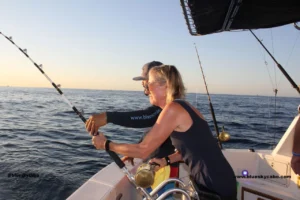
February mornings in Cabo San Lucas begin with a familiar ritual. Crews arrive at the marina before sunrise, coffee cups in hand, checking the water color near the harbor mouth and scanning the horizon for birds that might already be working a bait school. For anglers who value real-time insight over generic forecasts, Cabo San Lucas February fishing report is less about reading headlines and more about understanding what the ocean is saying today. This month offers a steady blend of opportunity and atmosphere, where every trip feels guided by both experience and instinct.
Contact Information
 Website: www.fishingcabosanlucas.com
 Phone: +1.602.489.8145
 Email: info@fishingcabosanlucas.com
Why This Cabo San Lucas February Fishing Report Reflects Local Reality
What makes a true Cabo San Lucas February fishing report valuable is its connection to the dock, not just the data. February is a month when conditions can shift subtly from day to day. A current line that produced striped marlin yesterday might move overnight, and a reef that looked quiet can suddenly light up with yellowtail.
Local captains rely on patterns built over years, not just yesterday’s numbers. They look at how the water temperature changes along the Pacific side versus the Sea of Cortez, how wind direction influences bait movement, and how bird activity signals what’s happening below the surface. For guests, this means each trip feels customized rather than scripted.
The atmosphere also plays a role. With fewer crowds in the marina, crews have time to talk through the plan for the day. Anglers often find themselves learning how to read the ocean, turning the report into a shared experience rather than just information.
Conditions Shaping the Cabo San Lucas February Fishing Report
A consistent theme in any Cabo San Lucas February fishing report is the balance between calm mornings and breezier afternoons. Early departures usually offer the smoothest rides and the best window for offshore trolling. The Sea of Cortez side often remains glassy longer, while the Pacific side can build texture as the day progresses.
Water temperatures typically sit in the low to mid-70s Fahrenheit. This range is comfortable for striped marlin and ideal for baitfish to gather along current edges. These temperature breaks become natural highways for predators, which is why crews spend so much time following subtle changes in water color and movement.
Visibility is another defining factor. Clear February water makes it easier to spot bait balls and surface activity. When birds start diving or fish begin to break the surface, the ocean can shift from quiet to electric in moments.
Species Highlights in the Cabo San Lucas February Fishing Report
One reason anglers keep an eye on the Cabo San Lucas February fishing report is the diversity of species available.
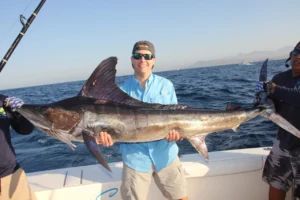
Striped marlin continue to be the main draw. February often delivers consistent sightings, especially for boats willing to cover water and work temperature lines. Their surface runs and aerial displays create the kind of moments anglers travel for.
Yellowtail become a strong presence around rocky structure and reefs. They respond well to live bait and jigs, and their powerful fights make them a favorite for both sport and table fare.
Snapper and sierra mackerel provide reliable inshore action. These species are perfect for guests who want steady bites and plenty of opportunities to get involved.
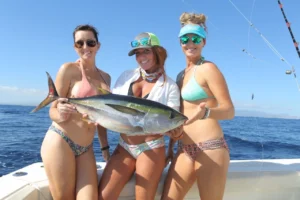
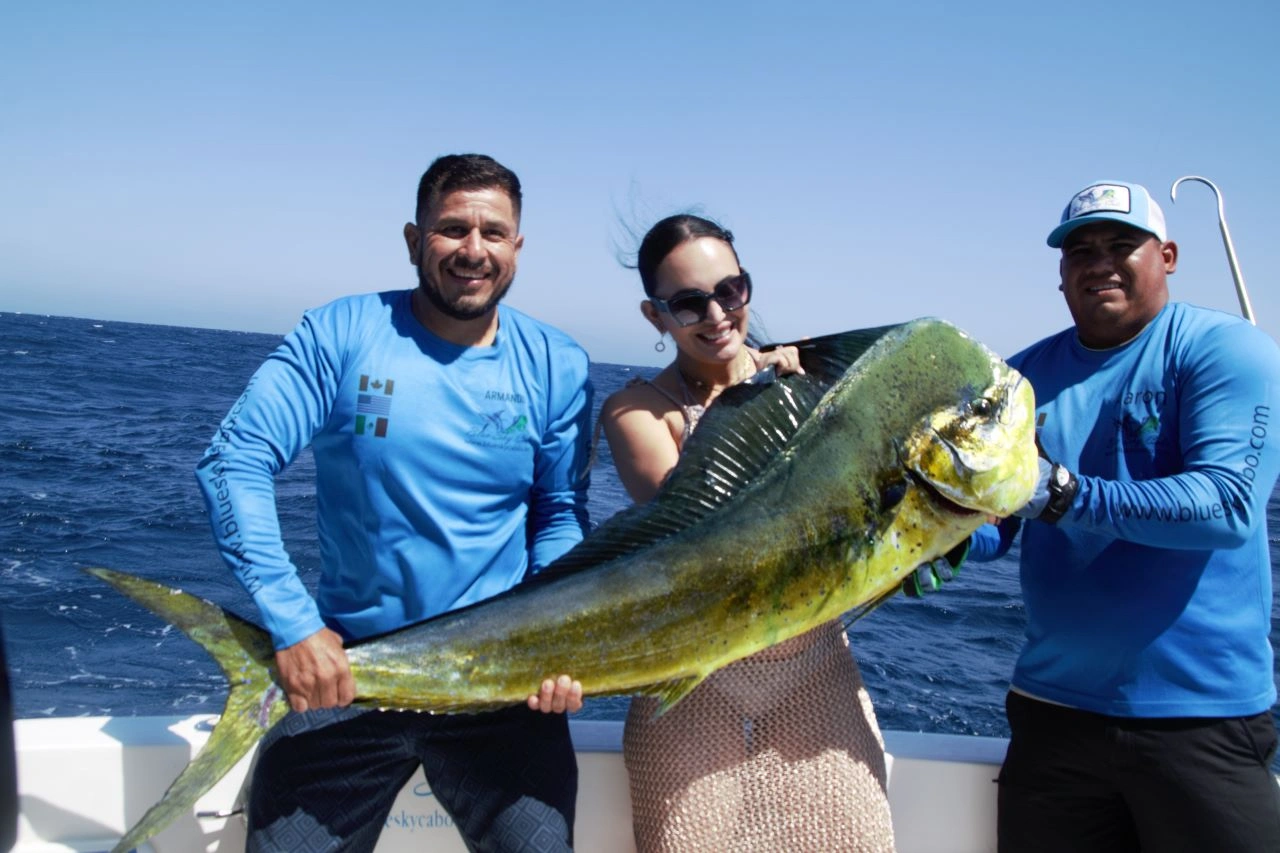
Offshore, tuna and dorado still make appearances, particularly when warmer currents push closer to shore. While not guaranteed every day, their presence adds an element of excitement and unpredictability to February trips.
Reading the Ocean Through a Cabo San Lucas February Fishing Report
A good Cabo San Lucas February fishing report doesn’t just list catches—it explains why they happen. Crews pay close attention to bird patterns, especially frigate birds and pelicans that hover over bait schools. These signs often point to larger predators below.
Water color is another clue. Clean blue water mixed with subtle green edges can indicate productive zones. Following these visual markers helps captains decide when to stay in an area and when to move on.
Guests often enjoy learning these details during the trip. It turns the day into an educational experience, where every shift in the ocean tells part of the story.
Choosing a Charter Based on the Cabo San Lucas February Fishing Report
Using a Cabo San Lucas February fishing report to pick the right charter can make a noticeable difference in your experience.
Look for crews that fish locally throughout the year. Their understanding of February patterns allows them to adapt quickly rather than rely on outdated hotspots. Ask how they decide where to start each day—this often reveals how hands-on they are with conditions.
Comfort should also be part of the decision. February mornings can be cool, and afternoon winds can build. Boats with shaded seating, stable hulls, and clean cabins help make long days more enjoyable.
Communication matters. Guests frequently mention how much they appreciate being included in the plan, from spotting birds to learning how to fight a fish properly. That level of involvement turns a fishing trip into a shared adventure.
Family-Friendly Insights From the Cabo San Lucas February Fishing Report
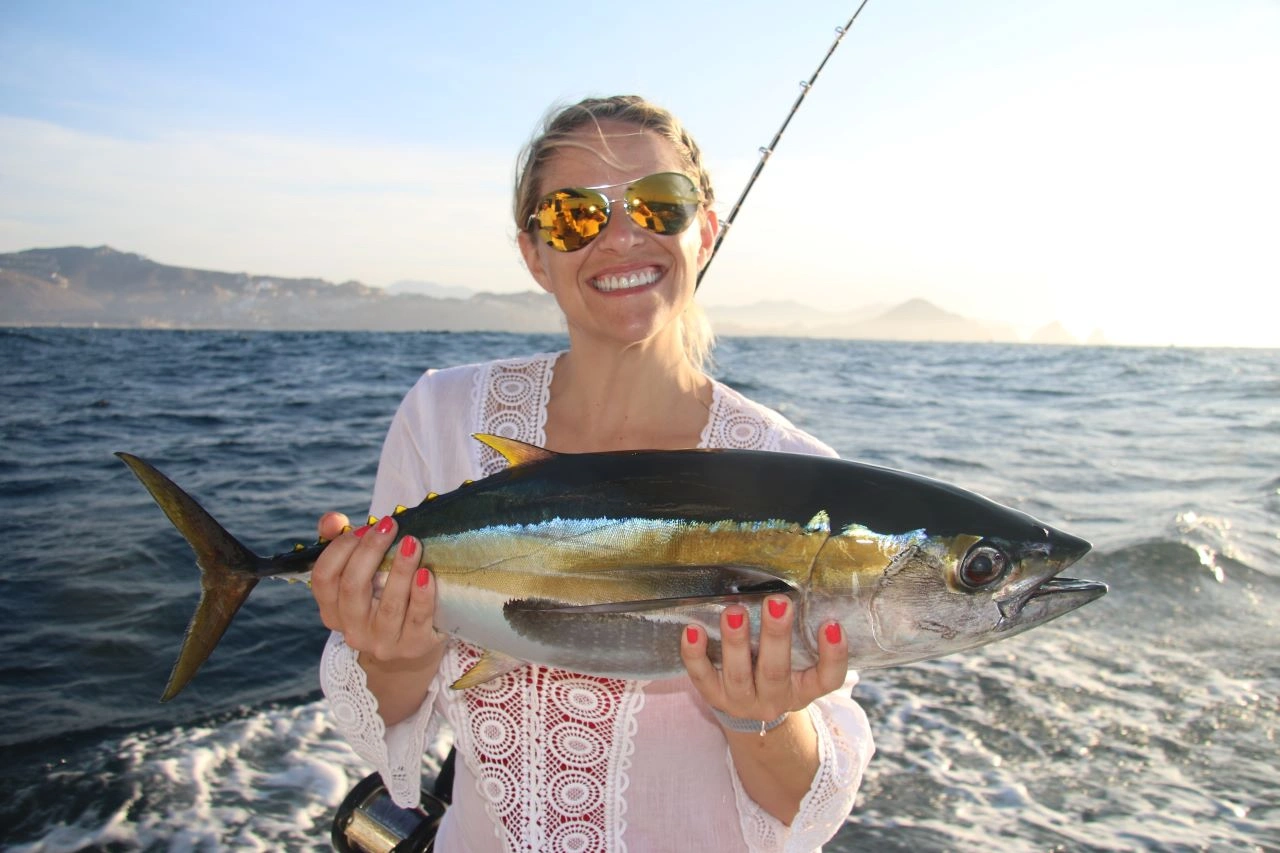
For families, the Cabo San Lucas February fishing report often points toward inshore opportunities. Snapper, sierra, and yellowtail provide steady action close to shore, making half-day trips a popular choice.
These outings keep energy high and travel time low, which is ideal for younger anglers. Crews that provide life jackets in multiple sizes, shaded areas, and patient guidance help create a relaxed environment for everyone on board.
Many families also enjoy starting the day with a quick cruise past Land’s End and the iconic Arch. It adds a sightseeing element that complements the fishing experience.
Techniques Featured in the Cabo San Lucas February Fishing Report
Tactics often highlighted in a Cabo San Lucas February fishing report reflect the month’s variety.
Trolling remains the go-to method for striped marlin. Live bait, rigged ballyhoo, and artificial lures are all part of the rotation depending on water temperature and fish behavior.
Inshore fishing benefits from light to medium tackle. Jigs and live bait work well for yellowtail around rocky areas, while fast-moving lures attract aggressive strikes from sierra mackerel.
Watching bird activity continues to be one of the most reliable ways to locate action. When birds start diving, crews know it’s time to slow down and investigate.
Guest Feedback Reflected in the Cabo San Lucas February Fishing Report
Customer feedback often shapes how the Cabo San Lucas February fishing report evolves. Guests frequently comment on the personal attention they receive during this month.
Returning anglers mention how crews take extra time to explain techniques and involve them in decision-making. Families appreciate the patience shown to children and first-time fishers, turning each catch into a moment of celebration.
Many guests also highlight the relaxed atmosphere of the marina and the water, noting that February feels less rushed and more connected to local life.
Simple Planning Tips From the Cabo San Lucas February Fishing Report
A few practical steps can help you make the most of Cabo San Lucas February fishing report insights:
- Book your charter early, especially around holidays and long weekends.
- Decide whether you want offshore action, inshore fishing, or a mix of both.
- Ask what’s included, such as licenses, bait, and refreshments.
- Speak directly with a coordinator for current conditions and tailored advice.
A quick call to +1.602.489.8145 often provides real-time updates that online summaries can’t, helping you plan with confidence.
Why the Cabo San Lucas February Fishing Report Keeps Anglers Engaged
There is a reason anglers check the Cabo San Lucas February fishing report year after year. It’s not just about knowing what’s biting—it’s about feeling connected to the rhythm of the place.
February invites you to slow down, observe the water, and learn from the people who work it every day. You begin to notice how the ocean changes color with the light, how birds move across the sky, and how subtle shifts in wind can influence the bite.
At www.fishingcabosanlucas.com, February is seen as a time when fishing becomes more than a sport. It becomes a story shaped by weather, water, and the shared experience of being out at sea together.