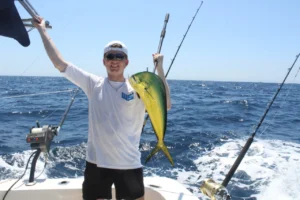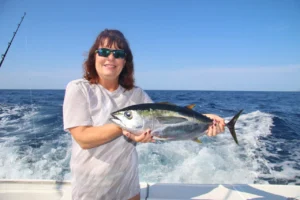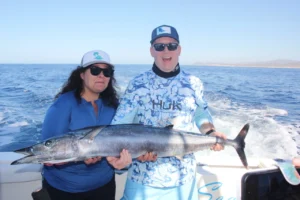
Booking a fishing charter in Cabo San Lucas is usually fueled by excitement—dreams of blue marlin tailing behind the boat, dorado lighting up neon green in the spread, and calm seas stretching to the horizon. Yet even in one of the most consistent fishing destinations on Earth, thoughtful anglers ask an important and very reasonable question:
What happens if the weather changes on my best Cabo fishing charter day?
The short answer is this: very little changes when you are fishing with a professional Cabo operation that plans for weather every single day of the year. Cabo’s climate is remarkably stable, weather disruptions are rare, and when conditions do shift, experienced crews, properly equipped boats, and guest-first policies ensure your trip stays safe, comfortable, and enjoyable—or fully protected if fishing simply isn’t possible.
This article explains exactly how weather changes are handled in Cabo San Lucas, what types of conditions actually matter, and why fishing here remains one of the most reliable offshore experiences in the world.
Understanding Cabo fishing weather changes before your charter even begins
Cabo San Lucas sits at the southern tip of Mexico’s Baja California Peninsula, where the Pacific Ocean meets the Sea of Cortez. This geographic position creates a natural buffer against extreme weather. Unlike destinations affected by long rainy seasons or constant storms, Cabo enjoys an unusually dry, predictable climate.
On average, Cabo receives only about 10 days of rain per year. Most of that rain comes during short, isolated weather events rather than extended storm systems. For visitors, this means weather changes are usually minor—cloud cover instead of sun, a breeze instead of glassy water, or cooler temperatures during early departures.
Professional fishing charters track weather constantly. Long before guests arrive at the marina, captains are reviewing wind models, swell direction, and sea conditions. This preparation allows them to make informed decisions that keep trips productive and safe.
Early morning departures and cooler conditions during Cabo fishing weather changes
One of the most common surprises for visitors occurs before the sun even rises. Cabo mornings—especially in winter—can feel cool compared to what many guests expect from a tropical destination.
From December through February, early morning dock temperatures can dip into the low 60s°F (mid-teens Celsius). Add the breeze created by cruising offshore, and it can feel chilly for the first hour of the trip.
That’s why Fishing Cabo San Lucas provides jackets and blankets onboard for guests. You don’t need to pack heavy gear or worry about discomfort during the ride out. As the sun climbs and temperatures rise, layers come off and the classic Cabo warmth returns.
This small detail makes a big difference in comfort and reflects a charter company that understands real-world conditions—not brochure weather.
Why cloudy skies are not a problem when Cabo fishing weather changes
Many anglers associate clouds with poor fishing, but in Cabo, overcast skies often have little negative impact—and sometimes a positive one.
Cloud cover reduces glare on the water and can encourage predatory fish to feed more aggressively near the surface. Species like striped marlin, dorado, and yellowfin tuna frequently respond well to slightly muted light conditions.
Experienced crews adjust lure colors, teaser placement, and trolling speeds to match visibility and light levels. Rather than seeing clouds as a setback, professional captains see them as another variable to work with.
In short, cloudy conditions rarely diminish the quality of a Cabo fishing day.
Wind and Cabo fishing weather changes: separating normal from unsafe
Wind is the most significant weather factor in Cabo San Lucas. Light to moderate wind is common and typically does not affect fishing plans. Strong wind, especially when paired with larger swells, is taken very seriously.
It’s important to understand that charter companies do not decide whether the port is open or closed. That decision is made by the local harbor master. When wind or weather reaches a level that could compromise safety, the port is officially closed to all vessels.
If that happens, Fishing Cabo San Lucas offers a full refund or the option to reschedule your charter if you prefer another date. There are no penalties and no pressure. Safety always comes first.
Many days with wind still allow fishing, especially on the Sea of Cortez side, which is often calmer than the Pacific. Skilled captains know how to use Cabo’s geography to their advantage.
How rare rain really is when Cabo fishing weather changes
Rain is one of the least common weather concerns in Cabo San Lucas. With roughly 10 rainy days per year, most visitors never experience rain at all during their trip.
When rain does occur, it is usually brief and localized. Light rain alone almost never cancels a fishing charter. In fact, some excellent fishing days have happened under light drizzle, particularly during late summer when water temperatures are warm and bait is plentiful.
Only heavy rain combined with wind or lightning typically results in port closures. These situations are uncommon and handled transparently.
Port closures explained during major Cabo fishing weather changes
When weather conditions require the port to close, there is a clear and structured process:
- The harbor master issues the closure.
- Charter companies notify guests as early as possible.
- Guests are offered a full refund or the opportunity to reschedule.
- No fishing boats are allowed to depart until conditions improve.
This system protects guests, crew, and equipment. It also ensures that no one is pressured to fish in unsafe conditions.
Unexpected heat waves and Cabo fishing weather changes in summer
From July through September, Cabo experiences its warmest temperatures. While heat is expected, occasional heat waves can push temperatures higher than usual.
Quality charter boats are designed to handle this. Boats operated through Fishing Cabo San Lucas feature air-conditioned cabins, allowing guests to cool off during peak heat. Shaded cockpit areas provide protection from direct sun while still keeping anglers close to the action.
Cold drinks, proper hydration, and access to shade turn even the hottest days into manageable—and often memorable—fishing experiences.
Boat design and comfort when Cabo fishing weather changes unexpectedly
Boat design plays a major role in how weather changes are experienced onboard. Features that matter include:
- Enclosed cabins with air conditioning
- Covered cockpits for shade
- Cushioned seating for rougher rides
- Wide beams and stable hulls for offshore conditions
These elements are not luxuries; they are essential for comfort when conditions shift. Well-equipped boats allow guests to focus on fishing instead of fighting the elements.
How captains adjust strategy during Cabo fishing weather changes
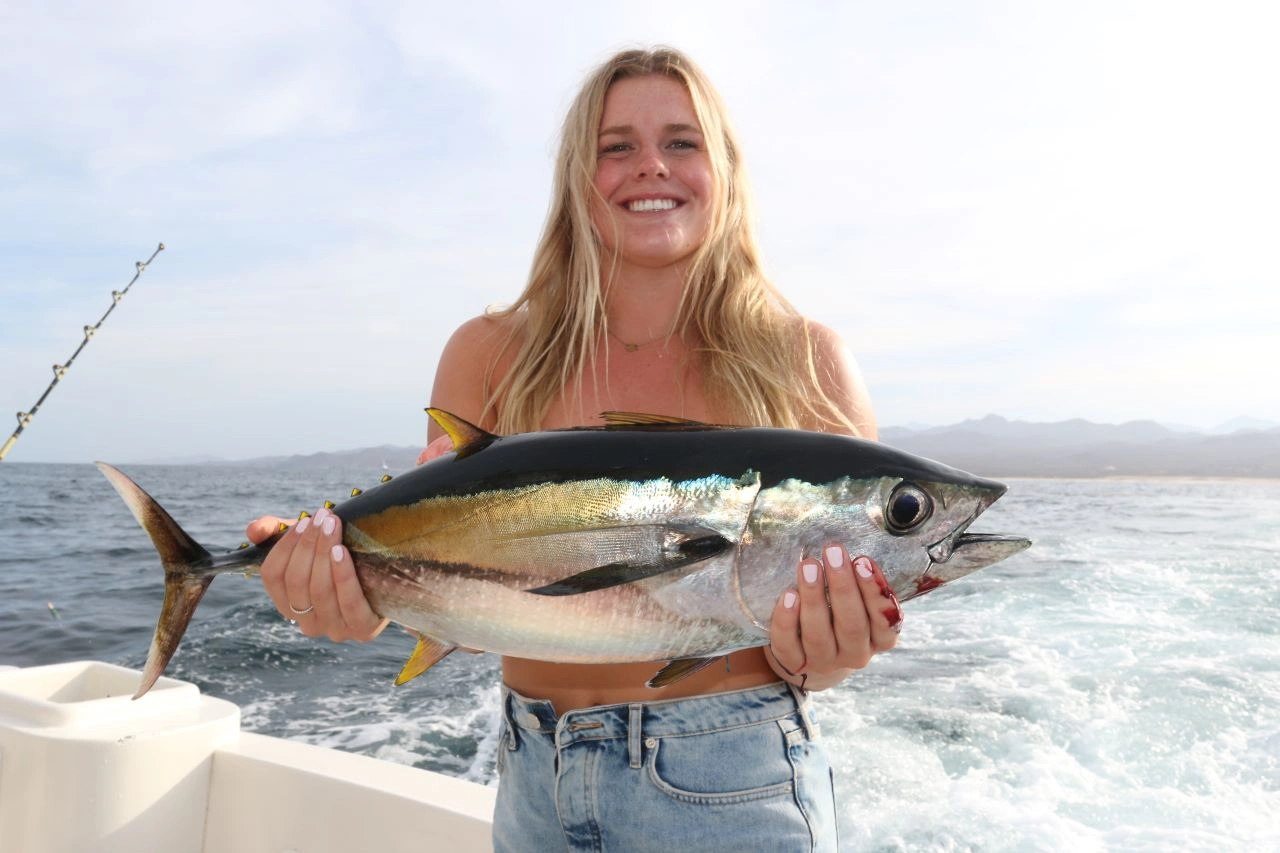
Professional Cabo captains never rely on a single plan. Weather, currents, water temperature, and bait movement all influence daily decisions.
If wind increases, captains may fish closer to shore or on the Sea of Cortez side. If cloud cover changes light levels, lure patterns are adjusted. If currents shift, crews follow temperature breaks and bait schools.
This adaptability is why weather changes rarely ruin a trip. The ocean is dynamic, and successful fishing depends on responding to that reality.
Seasonal overview of Cabo fishing weather changes
Winter (December–February)
- Cooler mornings
- Calm seas
- Jackets and blankets provided
- Prime striped marlin season
Spring (March–May)
- Stable weather
- Comfortable temperatures
- Excellent multi-species fishing
Summer (June–August)
- Hotter afternoons
- Occasional humidity
- Strong offshore action
- AC and shade are key
Fall (September–November)
- Warm water
- Peak fishing activity
- Rare rain events
- Short-lived weather systems
Each season offers unique advantages, and none are significantly limited by weather when fishing with a professional crew.
Communication during Cabo fishing weather changes makes all the difference
One of the biggest distinctions between average and top-tier charters is communication. Guests fishing with Fishing Cabo San Lucas are kept informed about:
- Weather outlooks
- Sea conditions
- Departure recommendations
- Any changes affecting safety or comfort
Clear communication builds trust and eliminates surprises, even when conditions shift.
Guest mindset and Cabo fishing weather changes
Fishing is an outdoor adventure. Guests who approach their trip with flexibility tend to enjoy it more. Minor weather changes are normal and expected—and they are already planned for.
Understanding this helps guests focus on the experience rather than the forecast.
Why Cabo remains one of the world’s most reliable fishing destinations
Few fishing destinations offer Cabo’s combination of stable weather, experienced crews, and guest-first policies. Add in minimal rainfall, predictable seasonal patterns, and professional port management, and weather becomes a manageable factor rather than a risk.
Final thoughts: confidence when Cabo fishing weather changes
So, what happens if the weather changes on your best Cabo fishing charter day?
You are prepared.
Your crew is prepared.
Your boat is prepared.
And if conditions are not safe, your investment is protected with clear refund and rescheduling options.
From jackets and blankets on cool mornings to air-conditioned cabins during summer heat, from rare rain days to full refunds during port closures, professional Cabo fishing charters are built around one simple principle: guest safety and comfort come first.
That commitment is why Cabo San Lucas continues to deliver world-class fishing experiences year after year—even when the weather decides to change.